Scrap is the quiet margin killer in fastener plants. See
 Skip to content


Key Takeaways
Table of Contents
Adding a new cold header to a fastener plant is one of the larger capital decisions a production manager will make. Buy too early and the machine sits idle, eating depreciation and floor space. Wait too long and the existing line becomes a bottleneck, forcing overtime, late deliveries and rising repair bills.
The difference between a good investment and a costly mistake is usually the quality of the ROI model that supports the decision. This article gives you a practical framework for calculating cold header payback, identifying the right time to expand, and comparing the total cost of ownership of a new DongRui multi-station former against older or less efficient equipment.
Fastener demand moves in cycles tied to automotive, construction, renewable energy and appliance markets. A plant that commits to a new cold header at the peak of a cycle can recover the investment quickly; a plant that buys at the trough may struggle to load the machine.
Delaying the purchase can feel like prudent cash management, but it carries hidden costs: overtime premiums, expedited freight, customer penalties and the opportunity cost of quotes not won. A simple rule of thumb is that if the expected annual margin on incremental volume exceeds 25–30% of the machine’s installed cost, the project deserves serious analysis.
A complete ROI model separates one-time investment costs from recurring operating savings. Leaving out categories such as tooling, installation or training is a common reason real payback differs from the spreadsheet.
| Cost item | Typical range | Notes |
|---|---|---|
| Machine base price | $80,000–$350,000 | Depends on tonnage, stations and automation level |
| Tooling package | $8,000–$40,000 | First article and spare die sets |
| Shipping & customs | $4,000–$15,000 | Varies by region and incoterms |
| Installation & foundation | $3,000–$12,000 | Electrical, air, rigging and levelling |
| Training & commissioning | $2,000–$8,000 | Operator and maintenance training |
| Working capital | $5,000–$20,000 | Initial wire inventory and spare parts |
| Saving category | How it is created | Typical annual impact |
|---|---|---|
| Labour | Faster cycle times, automatic feeding, fewer operators per part | $10,000–$50,000 |
| Energy | Efficient servo or variable-speed drives vs. legacy motors | $3,000–$12,000 |
| Scrap & rework | Tighter tolerances, better transfer, less die galling | $8,000–$30,000 |
| Repair & maintenance | New machine warranty and lower breakdown rate | $6,000–$25,000 |
| Downtime | Higher availability, shorter changeovers | Hard to quantify but often the largest item |
Depreciation is not a cash cost, but it affects taxable profit and should be included using the tax rate and asset life applicable in your jurisdiction. A 10-year straight-line depreciation with a 25% tax rate effectively returns 25% of the annual depreciation charge through tax relief.
Older cold formers do not usually fail catastrophically; they drift. Gradual loss of precision, more frequent die polishing and harder-to-source spares are early warnings.
Once unplanned downtime exceeds 5–8% of available production time, the machine is usually costing more than a replacement would. A new cold former can run at 90–95% availability in its first five years, while a worn legacy machine may fall below 80%.
The simplest and most useful metric for fastener plants is the discounted payback period: the time required for cumulative net cash inflows to equal the initial investment.
Payback (years) = Total installed cost / Annual net cash saving
Annual net cash saving = operating savings + depreciation tax shield – incremental operating costs.
Consider a plant buying a new 6-station cold former for $180,000 installed. The expected annual savings are:
Total annual saving = $72,500.
Simple payback = $180,000 / $72,500 = 2.48 years.
If the new machine also allows the plant to win incremental orders worth $120,000 in annual margin, the effective payback shortens further:
($180,000) / ($72,500 + $120,000) = 0.94 years.
This is why utilisation and market demand are just as important as cost savings when timing the purchase.
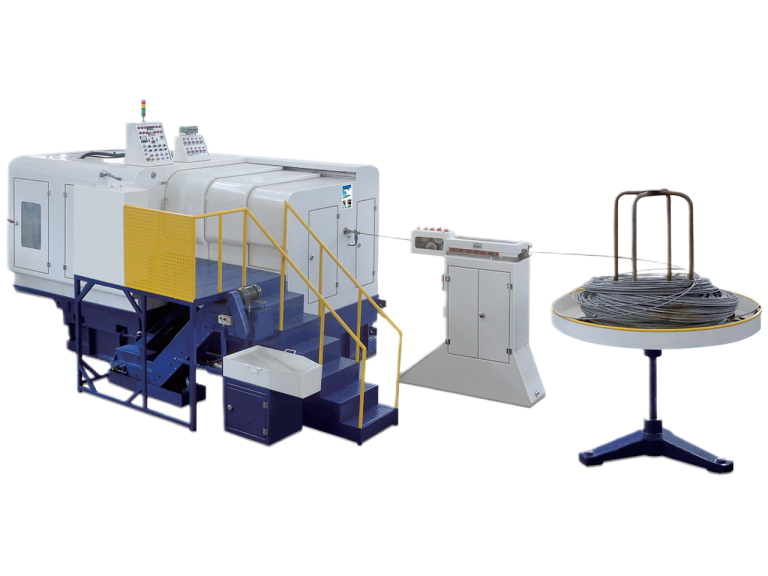
Total cost of ownership (TCO) over 10 years usually favours a well-specified new machine over a cheap used machine or an aging in-house unit. DongRui multi-station formers are designed to keep TCO low in four areas.
Modern drive systems and optimised cams reduce energy per part. Compared with older mechanical formers, DongRui machines typically use 15–25% less electricity for the same output.
Multi-station formers complete several forming operations in one pass. One operator can tend multiple machines, and automatic feeders reduce loading time. The result is more parts per labour hour.

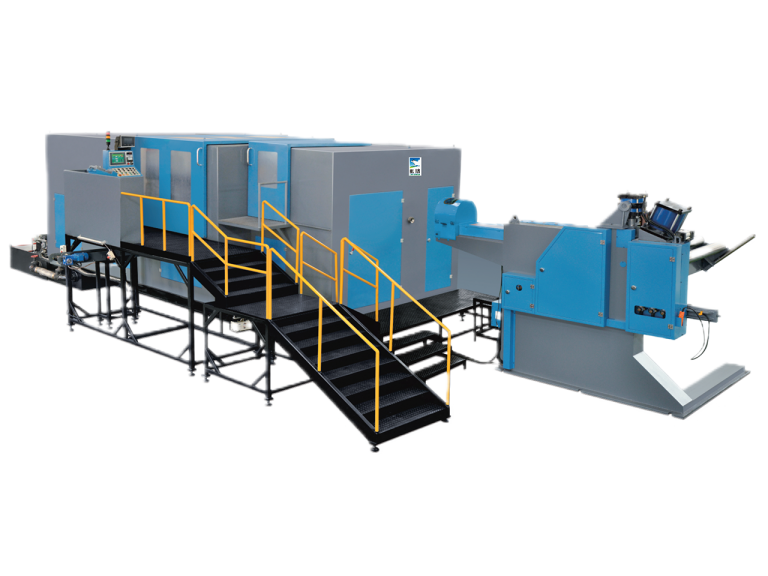
DBP-148L 8-station heavy-duty part former is built for high-utilisation expansion projects.
Rigid machine beds and precise transfer mechanisms reduce die wear and part variation. Lower scrap and fewer die reconditioning cycles translate directly into lower tooling cost per million parts.
Standardised components and documented spare-part lists reduce both part cost and lead time. For plants running lean, this availability is a major part of downtime risk reduction.
A generic payback calculation is a good starting point, but a tailored assessment produces the numbers a management team can act on.
Request a DongRui Cold Header Investment Assessment
Investing in a new cold header is a financial decision as much as a technical one. The plants that get the best returns are those that build the ROI model early, track the right signals and time the purchase to match real demand growth.
A practical model includes machine and tooling cost, installation, labour savings, energy savings, scrap reduction and the avoided cost of breakdowns. For many mid-size fastener plants, a modern multi-station former pays back in under three years when utilisation is high and the replacement target is an aging, high-maintenance machine.
DongRui offers a range of multi-station cold formers designed for low total cost of ownership, with the rigidity and support network needed for 24/7 expansion environments. If your plant is nearing capacity or spending too much on legacy-machine repairs, a tailored investment assessment is the logical next step.
For a modern multi-station former running at 70% utilisation or higher, simple payback usually falls between 18 and 36 months. If the machine also enables significant incremental revenue, payback can drop below 12 months. Very low utilisation or high financing cost can push payback beyond four years, which is generally considered marginal.
Common options include outright purchase, hire purchase, equipment leasing and bank loans secured on the machine. Each structure affects cash flow and tax treatment differently. Leasing preserves working capital but may cost more over the asset life. Outright purchase gives full ownership and depreciation benefits but ties up cash. Many suppliers can introduce local financing partners who understand machine-tool collateral.
Well-maintained cold formers from recognised manufacturers retain 30–50% of their original value after 10 years, depending on age, control system and market demand. Machines with obsolete controls or scarce spare parts depreciate faster. Buying a machine with a modern PLC, standard drives and good documentation improves resale potential if your product mix changes.
Scrap is the quiet margin killer in fastener plants. See
Table of Contents Introduction Die anatomy Material selection between carbide
1. Introduction A finished bolt sitting in a bin looks
1. Introduction For decades, “Made in China” in the machinery
 Optimized by Seraphinite Accelerator