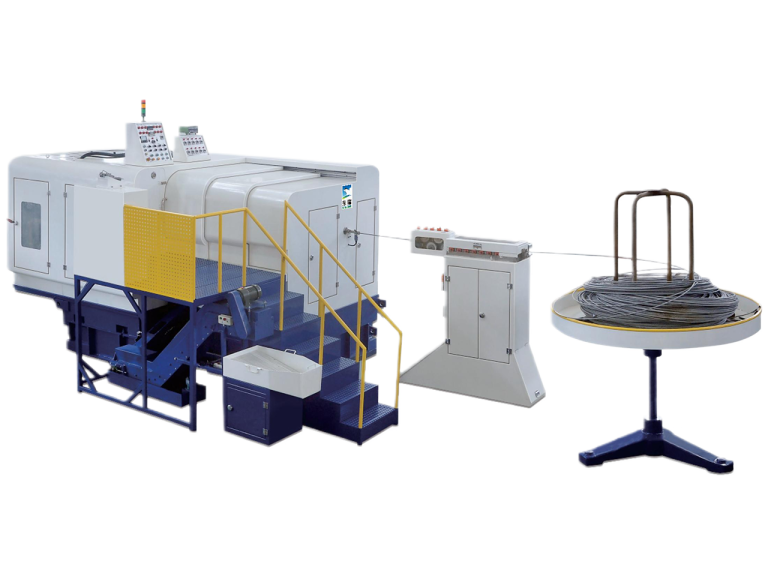
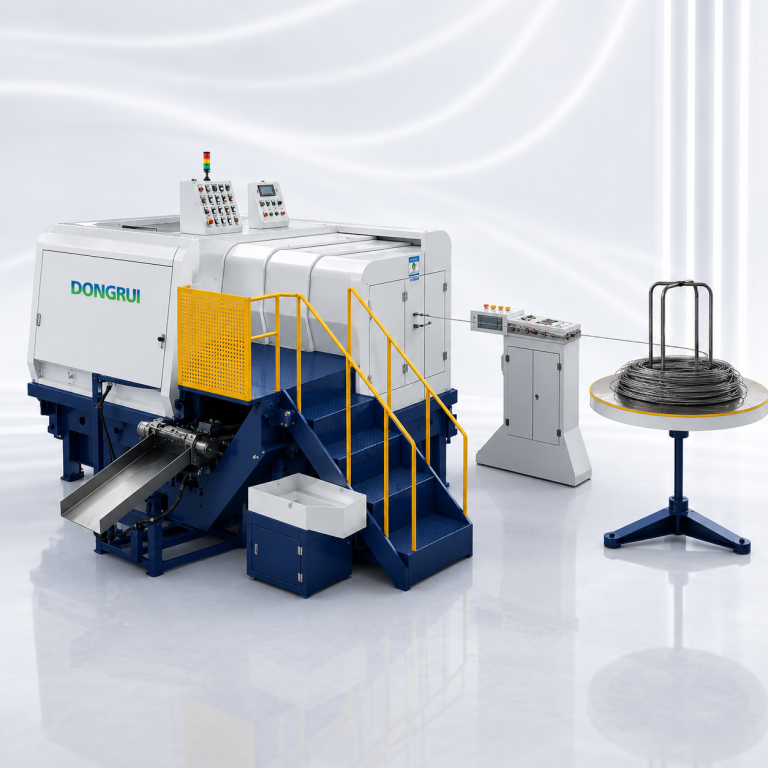
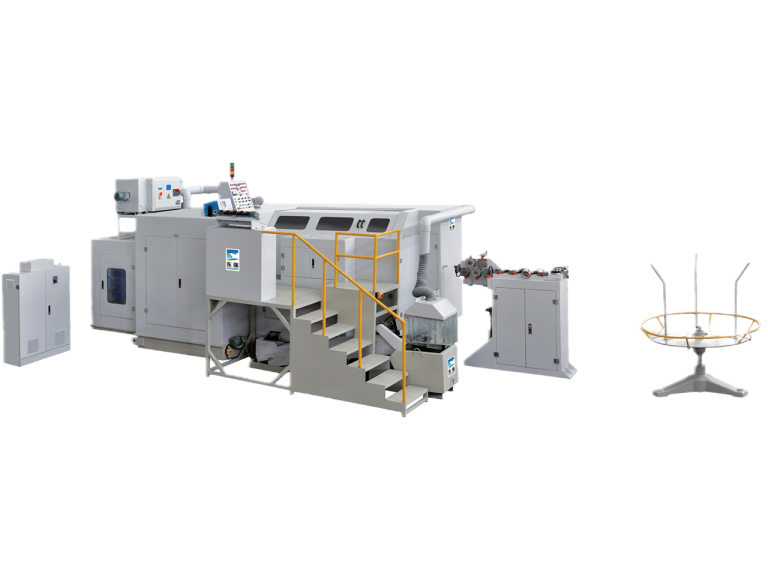
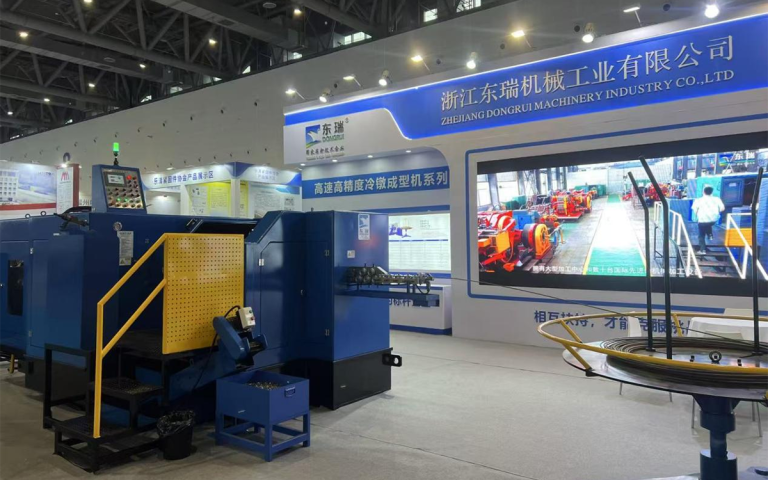
Cold heading equipment is essential in automotive manufacturing, producing high-strength fasteners for engines, chassis, and body structures. By forming metal through plastic deformation at room temperature, it ensures excellent dimensional accuracy, surface quality, and mechanical performance. Cold-headed components offer superior fatigue and corrosion resistance, enhancing vehicle reliability and safety under demanding conditions. The process improves material utilization, reduces costs, and supports lightweight design requirements. With high automation and efficiency, cold heading enables large-scale production while maintaining strict quality standards, making it a critical technology for modern automotive industries focused on performance, durability, and cost-effective manufacturing.
Cold heading equipment is extensively applied in the machinery industry to manufacture high-precision components such as shafts and gears. By using plastic deformation at room temperature, it ensures accurate dimensional control, improved surface quality, and enhanced material utilization. The process refines the metal’s internal grain structure, increasing strength, toughness, and wear resistance. It also reduces the need for secondary machining and surface treatments, lowering production costs. With micron-level precision and superior surface finish, cold heading technology significantly improves the performance and reliability of mechanical parts, making it an efficient and cost-effective solution for producing complex components in modern machinery manufacturing.
Cold heading equipment is widely used in the electronics industry to manufacture high-precision connectors and micro-fasteners. By forming metal at room temperature through plastic deformation, it ensures excellent dimensional accuracy, surface quality, and mechanical strength without cutting. This process improves material utilization, reduces waste, and enhances component reliability. With advanced automation and flexible production capabilities, cold heading supports rapid product updates and large-scale manufacturing. Additionally, its low energy consumption aligns with sustainable production goals. Overall, cold heading technology provides an efficient, cost-effective solution for producing high-performance miniature components in modern electronic devices.
Cold heading equipment forms metal parts by plastically deforming billets at room temperature using high-pressure punches and precision dies. This process eliminates the need for heating, improving energy efficiency while enhancing material strength, hardness, and surface quality. Advanced systems, including hydraulic and intelligent controls, ensure stable operation and consistent product accuracy. Common types such as multi-station and high-speed machines enable efficient, large-scale production of complex and small components. With high material utilization, minimal waste, and excellent precision, cold heading technology is widely applied in automotive, electronics, construction, and machinery industries, making it a vital solution for modern, cost-effective manufacturing.
Tell Us Your
Requirements
Questions
Needs
Ideas
Plans
 Skip to content