1. Market Growth and Scale In 2026, the global cold
 Skip to content
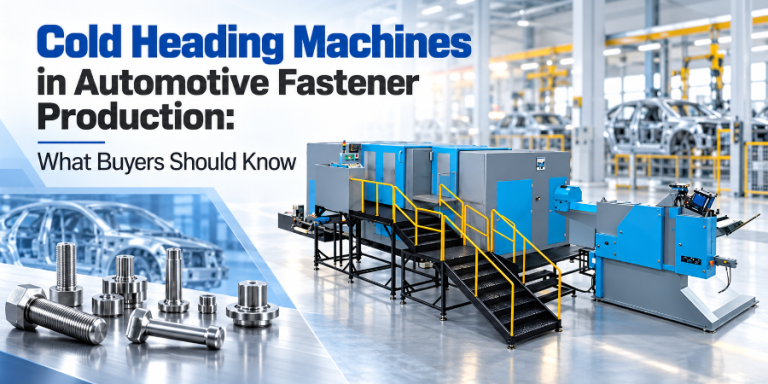
In the highly competitive fastener manufacturing industry, efficiency, material utilization, and precision are the cornerstones of profitability. As global demand shifts toward high-precision automotive components, heavy-duty construction infrastructure, and specialized aerospace parts, traditional 2-station, 3-station, or 4-station machines often hit a technical bottleneck. They simply lack the necessary forming steps to achieve intricate geometries in a single operation.
If you are looking to scale up your production capabilities, minimize secondary machining, and secure high-margin contracts for complex components, upgrading to an advanced 5-station cold forging machine (also widely known in the industry as a five stations bolt part former) is the ultimate game-changer.
Here is an exhaustive, deep-dive analysis into how this multi-station technology works, how it optimizes your factory’s ROI, and why Dongrui’s premium DBP series stands out in the global B2B market.
Table of Contents
A 5-station cold forging machine is an automated, progressive metal forming system engineered for high-speed mass production. Unlike simpler machinery that only performs one or two upsets, a five-station configuration features a linear layout containing five distinct sets of dies (matrices) and punches aligned perfectly within a massive, highly rigid machine bed.
The cold forging process on a 5-station machine follows a highly synchronized, sequential workflow:
Wire Feeding & Cutting: Coiled metal wire rod is automatically straightened, pulled via a high-torque feeding system, and cut to an exact blank length by a high-precision cutoff mechanism.
The Transfer Mechanism: A high-speed, mechanical gripping transfer arm mechanism securely holds the blank and flips or carries it horizontally from Station 1 through Station 5.
Progressive Deformation: At each station, the main ram pushes the punches into the dies with immense force (often ranging from 100 to over 400 tons depending on the machine size). By breaking down the total metal deformation into five distinct, manageable stages, the material flows plastically into the desired shape without exceeding the metal’s structural limits or cracking.
By utilizing five individual stations, manufacturers can execute complex combinations of forward extrusion (reducing shank diameter), backward extrusion (creating deep hollow pockets or blind holes), head upsetting, precise trimming, and even bottom piercing—all within a single split-second machine cycle.
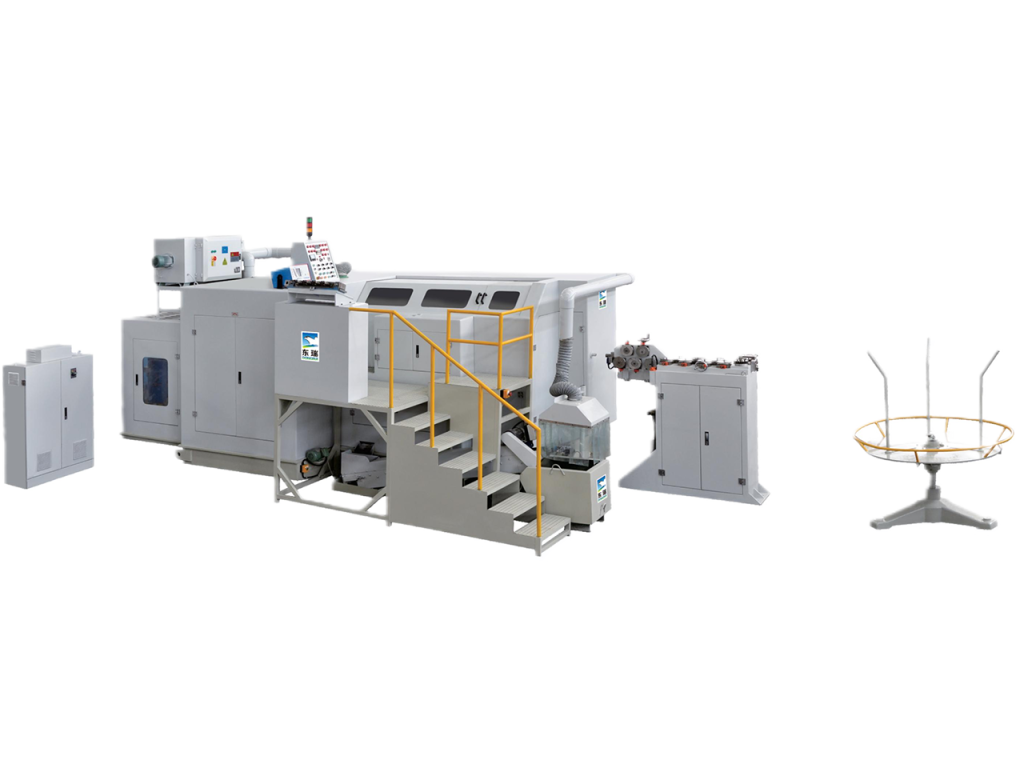
To appreciate why a five stations bolt part former is so powerful, let’s look at a typical production layout for a highly complex automotive component, such as a stepped sleeve bolt or a specialized wedge anchor making machine sequence:
Station 1 (Cut & Pre-Form/Squaring): The sheared blank is pushed into the first die to square up the rough cutoff edges, ensuring a perfectly flat face and initiating the first minor diameter reduction or forward extrusion.
Station 2 (Primary Upsetting & Shank Reduction): The material undergoes a heavy reduction along the shank to form different step diameters, while the head section is pre-formed into a bulbous shape.
Station 3 (Advanced Extrusion / Backward Forging): If the part requires a hollow or semi-hollow interior (common in automotive parts and specialized pins), the punch acts as a mandrel, forcing the steel to flow backward around it while simultaneously maintaining external tolerances.
Station 4 (Final Head Shaping / Hex Formation): The head of the fastener is forged into its final shape, whether it is a socket head, a standard hex, or a complex hex flange bolt profile with intricate logos or grade markings.
Station 5 (Trimming or Piercing): The final station is frequently used to trim away the flash (excess metal) to create sharp hex corners, or to pierce through the bottom of a backward-extruded part to form a perfectly concentric hollow tube or nut sleeve.
Investing in a high-speed automatic bolt production machine with five stations offers distinct operational and financial advantages that directly impact your bottom line:
Traditional CNC machining chips away metal from a solid bar, often leading to scrap rates as high as 40% to 60%. A multi-station cold former physically flows the cold metal plastically under high pressure, achieving up to 92% to 98% material utilization. In an era of volatile steel and alloy prices, saving 30%+ on raw materials across millions of parts can save your factory tens of thousands of dollars monthly.
When producing complex parts on a 3-station machine, the semi-finished parts must be transported to a separate turning or milling department to drill out internal holes, trim hex heads, or cut steps. A 5-station machine delivers “net-shape” or “near-net-shape” components directly out of the discharge chute. You eliminate secondary labor costs, additional machinery footprints, and internal logistics delays.
Cold working structurally alters the grain flow of the steel, forcing the grain lines to continuously follow the contour of the bolt shank and head rather than cutting through them. This results in significantly higher fatigue resistance, superior tensile strength, and a brilliant, smooth surface finish that easily meets strict industrial and military standards.
The automotive industry demands zero-defect, highly complex parts like engine cylinder head bolts, wheel hub bolts, steering column pins, and specialized fasteners. Due to the high strength and extreme geometry constraints of these parts, automotive fastener manufacturing is practically impossible without a 5-station or higher multi-station cold forging setup.
To help your procurement and engineering teams select the right machinery for your production goals, here is a granular technical comparison of how a multi-station bolt former scales up across configurations:
| Technical Parameters & Capabilities | 3-Station Bolt Former | 4-Station Bolt Former | 5-Station Cold Forging Machine (Dongrui DBP Series) |
| Primary Target Products | Standard Hex Bolts, Heavy Nuts, Simple Pins | Stepped Bolts, Standard Socket Screws, Flange Screws | Complex Automotive Fasteners, Wedge Anchors, Hollow Sleeves, Custom Industrial Parts |
| Forming Steps Available | Cut → 2 Blows → Trim | Cut → 3 Blows → Trim | Cut → 4 Blows + Advanced Multi-Option Trimming/Piercing |
| Geometric Complexity | Low (Standard concentric shapes) | Medium (Minor multi-stage shank reductions) | Extreme (Deep pockets, multi-tier stepped shanks, non-concentric head styles) |
| Material Utilization Rate | ~85% – 90% | ~88% – 92% | ~95% – 98% (Virtually flashless production) |
| Production Speed Range | Up to 150-180 pcs/min | Up to 130-160 pcs/min | High Precision & High Speed (Up to 110-150+ pcs/min depending on wire size & complexity) |
| Secondary CNC Milling/Turning | Highly required for specialized geometries | Occasionally required for complex heads/holes | Zero to Minimal; delivers net-shape or near-net-shape final parts |
A 5-station machine is incredibly versatile. It is primarily used to manufacture complex hex flange bolts, multi-stepped shoulder screws, socket head cap screws, automotive sleeve components, and specialized construction fasteners like wedge anchors. It easily handles high-tensile carbon steels, alloy steels, and stainless steel wires.
With five forming dies, you can complete complex multi-stage diameter reductions, backward extrusion for hollow parts, and precise head trimming all within a single machine cycle. Because the parts exit the machine at or near final specifications (near-net-shape), you completely eliminate the need for costly secondary turning, drilling, or milling.
Dongrui’s DBP series is engineered for high precision and high-speed cold forming. Built with heavy-duty, stress-relieved cast iron frames and advanced over-arm type main ram guides, our machines guarantee extreme stability and accuracy over millions of cycles. Coupled with imported high-end components, Dongrui machines ensure minimal downtime and maximized tool life.
While multi-station machines require precise setup, Dongrui integrates user-friendly quick-change mechanisms and computerized monitoring systems. The digital feeding control and exact transfer mechanism adjustments significantly reduce setup times, allowing manufacturers to switch between different production runs efficiently.
If your factory is ready to transition away from low-margin standard fasteners and move into high-profit, complex industrial and automotive component manufacturing, upgrading your workshop floor with a reliable high precision cold former is the most secure investment you can make.
At Dongrui Machinery, we specialize in manufacturing world-class, heavy-duty multi-station cold upsetting formers that bring speed, precision, and longevity to factories worldwide. Our DBP series 5-station machines are engineered with cutting-edge alloys, Japanese-standard electrical integrations, and ultra-precise mechanical tolerances to ensure your plant runs 24/7 with zero headaches.
Ready to optimize your fastener production line and out-compete the market?
[Contact Dongrui’s expert engineering team today] to receive a tailored machine configuration proposal, technical drawing review, and direct factory price quotes for our premium DBP 5-station series!
1. Market Growth and Scale In 2026, the global cold

Table of Contents Introduction What a cold heading machine is
Table of Contents Introduction What Automotive Fasteners Need and Why
1. Introduction When a cold heading machine runs at 350–450
 Optimized by Seraphinite Accelerator