Reading time: ~8 min | Categories: Cold Forging Technology, Equipment
 Skip to content
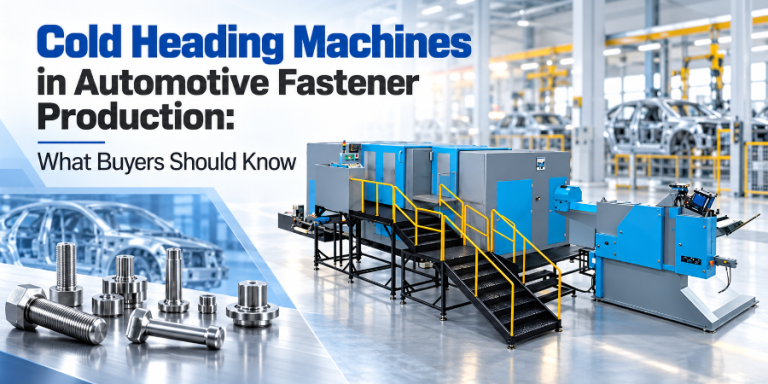
Reading time: ~8 min | Categories: Cold Forging Technology, Industrial Comparisons
For decades, European manufacturers—particularly Swiss and German cold-forming giants like Hatebur—have defined the gold standard for high-precision metal forming. For many plant managers and automotive suppliers, these machines were the default choice when accuracy and reliability were non-negotiable.
However, the global manufacturing landscape has shifted. Today, high-end modern Chinese cold forging machines are matching the precision, kinematics, and durability of these legacy brands, offering a compelling alternative for companies aiming to balance quality with cost-efficiency. This guide explores the engineering parity between modern solutions and traditional heavyweights, helping you make an informed investment for your facility.
Table of Contents
Hatebur has historically dominated the market by focusing on two pillars: exceptional transfer kinematics and extreme ram stability. By delivering consistent tolerances for high-volume industrial fastener manufacturing, they established the baseline that other manufacturers have spent years working to replicate.
The gap between European legacy machines and modern equipment has narrowed significantly. Through the integration of advanced CNC controls, superior metallurgy in die-holding systems, and refined mechanical design, Dongrui has successfully bridged the divide in performance reliability.
Precision is not just about the frame; it is about how the machine handles the workpiece. Advanced transfer systems—the heart of the cold forging process—now utilize high-speed, vibration-dampening mechanics that match the stability of traditional Swiss designs, ensuring that parts remain perfectly indexed through every station of the header.
High-end net-shape manufacturing requires tolerances that leave no room for error. Whether producing automotive steering components or complex structural fasteners, modern multi-station formers can now maintain the dimensional consistency required to meet the rigorous standards of global tier-one suppliers, reducing the need for secondary machining.
At Dongrui, we believe that precision should not be a luxury. With over 30 years of manufacturing expertise, we have refined our Dongrui cold forging equipment to prioritize structural integrity and long-term uptime. Our commitment to rigorous testing ensures that each machine delivers the high-performance output that modern industrial standards demand.
Beyond technical performance, the decision to switch is often driven by operational agility. Modern alternatives offer reduced lead times and more accessible technical support, allowing production teams to respond to market shifts faster than they could with legacy equipment providers.
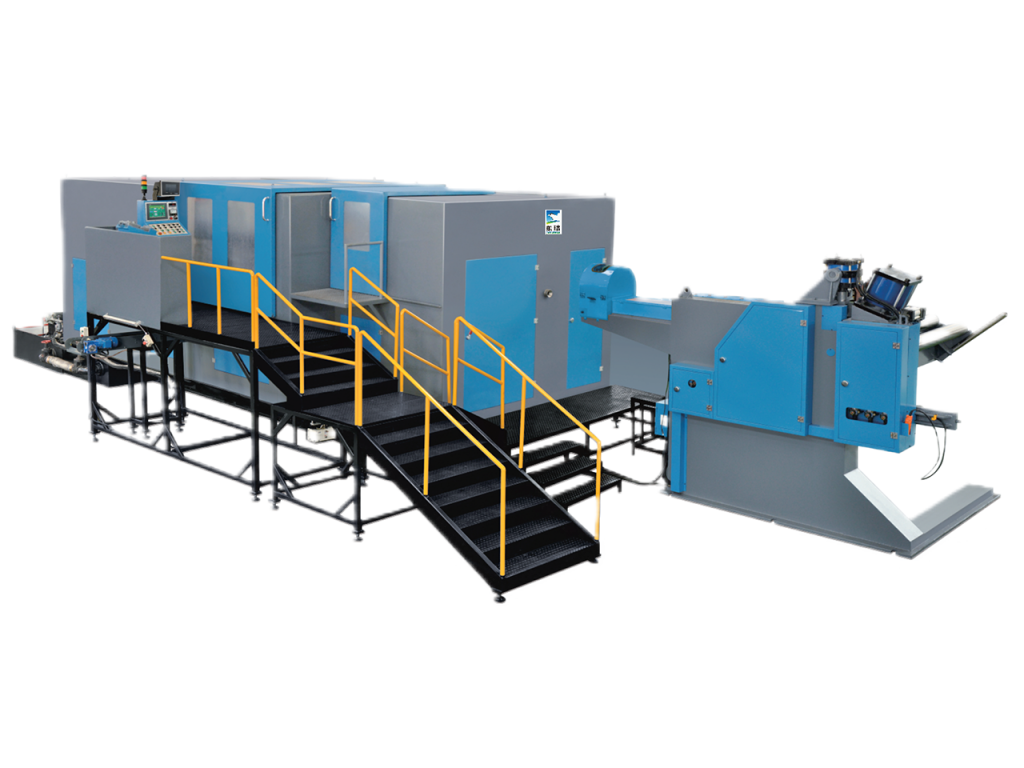
Complexity in parts production requires high operational flexibility. Modern machines are engineered for faster tooling changeovers and simplified maintenance protocols, enabling teams to scale production cycles without the heavy burden of prolonged downtime associated with older, specialized systems.
When evaluating cold forging machine for automotive parts or other high-precision applications, look at the machine’s structural rigidity, the sophistication of its transfer kinematics, and the vendor’s record in servicing similar industrial sectors. Transitioning to a modern, high-precision solution is a strategic move to secure your competitiveness.
Yes. Modern engineering, precision casting, and advanced CNC-driven transfer systems allow contemporary machines to achieve tolerances and output speeds that were previously exclusive to high-end European brands.
The primary advantages are cost-efficiency, faster lead times, modern PLC integration, and significantly lower total cost of ownership while maintaining required automotive-grade precision.
Yes. We provide comprehensive technical training and installation support to ensure your team is proficient in operating Dongrui equipment for maximum efficiency from day one.
Three decades of manufacturing allows us to refine the structural design of our machines, ensuring they handle high-tonnage forming while maintaining ram stability over millions of cycles.
Our high-precision headers are designed for industries requiring strict tolerances, including automotive, industrial fastening, and other sectors where net-shape accuracy is essential.
We typically provide a detailed technical and commercial proposal within 24 hours of receiving your specific part drawings and production requirements.
Dongrui offers global service support, including remote diagnostics, spare parts supply, and on-site engineering consultations to ensure continuous production.
Modern machines are designed with intuitive maintenance interfaces, making it easier for technicians to monitor wear and perform routine checks compared to older, complex legacy systems.
We use rigid cast frameworks and advanced vibration-dampening engineering in our transfer systems to ensure stability, even at high parts-per-minute production speeds.
We welcome all prospective clients to visit our facility to inspect our manufacturing processes and see our cold forging equipment in production environments.
The reliance on legacy Swiss and German brands is changing as more manufacturers recognize the value of modern, high-precision alternatives. With 30 years of manufacturing expertise, Dongrui provides the perfect blend of technical parity, reliability, and cost-effective scalability. Whether you are expanding your capacity or replacing aging equipment, modernizing your facility with high-performance forming technology is the key to sustaining a competitive edge in global industrial markets.
Looking for a High-Precision Alternative to Swiss Cold Formers?
Leverage Dongrui’s 30 years of manufacturing expertise to optimize your production line. We deliver precision performance at a competitive value. Contact our engineering team for a technical proposal.
Get Your Free Technical Proposal →
📧 Response within 24 hours | 🏭 30 Years of Engineering Excellence | 🌍 Global Reliability
Reading time: ~8 min | Categories: Cold Forging Technology, Equipment

Table of Contents Introduction What a cold heading machine is
1. Introduction When evaluating cold forming machines, the first number
Table of Contents Introduction What Is Cold Forging and Why
 Optimized by Seraphinite Accelerator